admin
Preparing your fence for Perth’s winter storms starts with one simple idea: small weak points become big failures in high wind, heavy rain, and debris. Winter storms can damage the structural integrity of fence panels, fence posts, and gates, and once a section moves, it often leads to further damage across the whole run.
Why Winter Storms Hit Fences So Hard In Perth
Storm season in Western Australia brings severe weather events like strong winds, flash floods, hail, and driving rain. This combination puts constant pressure on the fence, then attacks the ground and fixings that hold it upright.
Fence damage is also common in insurance claims. In many storm reports, fences represent nearly half of all winter storm claims, which is why checking your fence early is a best bet before the first severe storms arrive.
The Most Common Storm Damage We See
Most damage follows a predictable pattern. High wind loads push the fence, moisture softens the base, then movement loosens fixings and opens gaps.
After winter storms, homeowners in Perth often find:
-
Loose or rattling fence panels and sheets
-
Leaning fence posts and unstable bases causing instability
-
Cracks in rails, paling splits, and rot in timber fencing
-
Rust on metal posts and brackets, especially where water sits
-
Gates that drag, twist, or stop latching due to misalignment
-
Debris damage from branches or items becoming projectiles
-
Knock on problems, like fences pulling away near walls or corners
If you notice holes, rust, unstable posts, or sheets out of alignment, it is a clear sign the fence is not in good condition for storm season.
Storm Ready Fence Inspection Checklist
A thorough inspection before storm season is the fastest way to reduce risk. Walk the full perimeter and inspect every post, rail, and connection point.
Regular inspections should be done at least twice a year and after severe weather events. Use this checklist:
-
Shake each post gently and look for movement at ground level
-
Check for pooling water at the base of posts and signs of stagnant water
-
Look for breaks and cracks in fence panels, rails, and palings
-
Inspect screws, hinges, latches, and brackets for rust or loosening
-
Check gates for smooth swing, square alignment, and secure latching
-
Remove any items leaning against the fence that add pressure in wind
-
Note any soil height variation, erosion, or water flow patterns that cause washout
Inspecting for breaks and cracks after a storm also helps you catch small issues early so they do not turn into larger repair jobs.
Fix Post Instability Before It Becomes A Collapse
Fence posts are the backbone of structural integrity. Strong winds can sway fences and loosen the earth around posts, and heavy rain can soften ground support.
Practical fixes that help your fence withstand winter storms:
-
Pack soil tightly around a post base if the movement is minor and the footing is intact
-
Reset unstable posts in fresh concrete footings when movement is more than slight
-
For long term stability, posts should ideally be set at least 600mm deep into the ground
-
Add diagonal supports or corner bracing in a high wind area to distribute wind pressure
-
Reinforce rails and brackets so the panel load is carried cleanly into the posts
This is where timely fence repairs matter. A single leaning post can pull multiple panels out of line once the next storm hits.
Stop Water And Moisture From Doing Hidden Damage
Pools of water sitting at the base of fence posts can soften the ground and pose a risk. Over time, stagnant water leads to rot in timber posts and rust in metal posts. If moisture buildup is left unchecked, it can undermine posts even if the fence looks fine from a distance.
To reduce water damage:
-
Improve drainage so water does not sit at the base of posts
-
Clear debris that blocks runoff paths after heavy rain
-
Keep soil and debris at least 20mm below the bottom rail of metal fences to reduce corrosion and rotting
-
For timber fencing, apply a waterproof sealant, wood oil, or preservative every couple of years to help prevent wet rot and warping
If you live near the coast, salt spray accelerates rust on metal fences. Regular washing helps protect metal fences and keeps brackets and fixings in better condition.
Choose Hardware And Materials That Handle Severe Weather
Gates and fixings often fail before panels do. Rusting or damaged hinges and screws can impact integrity and functionality, and once a gate drops, it can twist the fence line next to it.
Do these upgrades before storm season:
-
Replace rusted screws, hinges, and latches with stainless steel or galvanised components
-
Use galvanised or stainless steel brackets to prevent corrosion over time
-
Inspect Colorbond fences for scratches and touch them up to prevent rust
-
Check that all fasteners are tight and not pulling through the material
For long term durability, stainless steel and aluminium fencing are more durable and rust proof than many alternatives. When installed correctly, steel and aluminium fencing systems are strong in storm prone areas due to their resistance to moisture and wind loading.
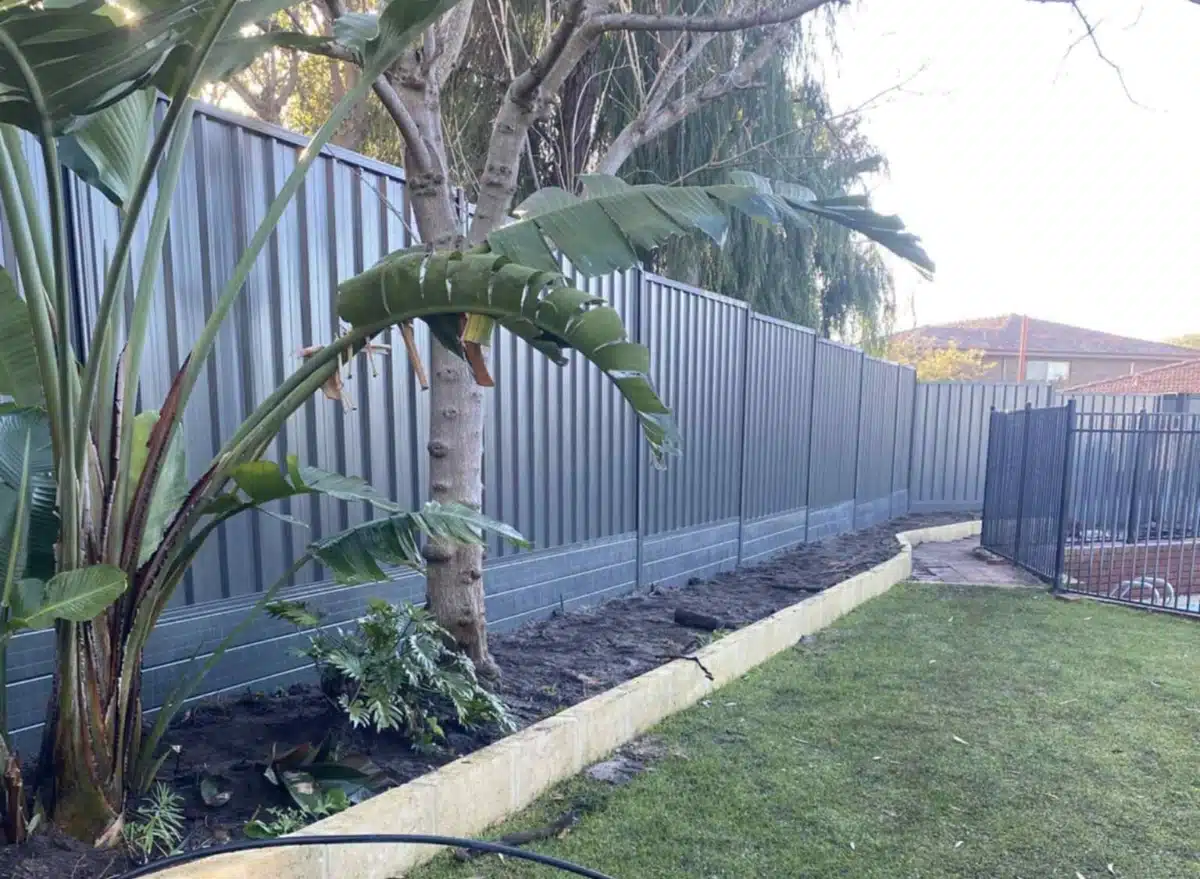
Colorbond steel fences are also a strong, secure, and attractive option for Perth conditions, especially in high wind areas where lighter systems can struggle.
Clear The Fence Line Before The Wind Arrives
Debris and vegetation are common causes of storm damage. Strong winds can throw loose items and branches into fence panels, and shrubs or vines can trap moisture and accelerate rot.
Simple steps that protect your fence:
-
Trim back branches and foliage that could snap and fall onto the fence during a storm
-
Prune shrubs near the fence line so they do not trap moisture against timber
-
Remove large plants or trees that are leaning on your fence
-
Clear any items leaning against the fence so they do not add pressure or become airborne
-
Check nearby power lines visually and keep clear of anything that could contact them in a storm
If severe weather hits, stay clear of power lines and treat any fallen lines as live. Safety comes first.
What To Do After A Severe Storm
After severe storms, inspecting your fence is essential to prevent further deterioration. Do a careful walk around when it is safe, and look for new cracks, loosened posts, and gate misalignment.
Focus on:
-
Post movement or fresh gaps at ground level
-
Loose panels or rails that can rattle free in the next high wind
-
Gate hinges and latches that have shifted
-
Rust starts where paint has been scratched or where water sits
Promptly repairing damage found during inspections helps maintain integrity and reduces the chance of a full failure next storm.
In one common Perth job we see after heavy rain and strong winds, water pools behind a fence line, softens the ground, then a single post leans and pulls two panels with it. When we reset the post, improve drainage, and add bracing in the exposed section, the fence returns to square and holds through the next storm season.
Preparing Your Fence For Perth’s Winter Storms FAQs
What Type Of Fence Holds Up Best In High Wind?
In high wind areas, steel and aluminium systems tend to perform well due to strength and moisture resistance when installed correctly. Colorbond fencing is also a popular choice because it is secure, durable, and suited to Perth conditions.
Are Timber Fences More Likely To Fail In Winter Storms?
Timber fencing can be more vulnerable when moisture buildup leads to wet rot, warping, or weakening at posts and rails. Regular maintenance, sealing, and fixing drainage issues reduce risk significantly.
How Do I Secure Gates Before A Storm?
Check hinges, latches, and brackets for rust or looseness, then tighten and replace worn parts. Make sure the gate closes cleanly without dragging, and remove any objects that can swing into the gate during high wind.
Can Storm Damage Be Prevented Completely?
Severe storms are unpredictable, but prevention is realistic. Regular inspections, bracing weak points, managing vegetation, and fixing drainage early can reduce storm damage and protect your property.
Get Your Fence Storm Ready Before The Next Front Hits
Preparing your fence for Perth’s winter storms is about protecting structural integrity before severe weather arrives. Check posts, fence panels, gates, and hardware, fix small issues early, manage trees and debris, and keep moisture from undermining the base. These steps reduce storm damage, improve durability, and help your security fencing withstand strong winds and heavy rain.
If you want an experienced team to assess your fence, identify risk points, and recommend repairs or upgrades, contact us today. We will help you protect your property with practical advice, timely repairs, and a clear plan before storm season arrives.