
admin
If you are hunting for the most affordable fencing options for a Perth backyard, begin by deciding what job the fence must do. Do you need a secure boundary to keep pets in, a privacy fence to block sightlines, or a simple visual cue between your lawn and the neighbour’s garden. Once the purpose is clear, the right fence type, fence height and fencing material fall into place. Your budget also stops creeping because you can compare like for like and avoid paying for extras you do not need. This guide explains the cheapest fencing option for different goals, realistic price bands per metre and per foot, how much maintenance each style really needs, and where a small upgrade can save money over the life of the fence with minimal upkeep.
What Is The Cheapest Type Of Backyard Fence?
In raw dollars, chain link fencing is usually the cheapest fencing option when you only need a secure boundary and visibility is acceptable. The mesh is quick to stretch, posts are widely available, and installers can cover long straight runs efficiently. If you want privacy rather than openness, treated pine palings provide a budget friendly solid panel. Many homeowners assume timber will always be cheaper than steel, yet Colorbond fencing can be comparable to pine once you include coating and future maintenance. Prefinished steel panels go in quickly, need only occasional cleaning, and do not require repainting after summer.
Price is never only about the panel. Costs lift with fence height, post size, footing depth, and the number of gates. Upgrades for wind resistance, privacy slats for chain link, or colour matched hardware add to the base figure. If you want current ballparks per metre and per foot, use How Much Does Fencing Cost before you start collecting quotes so your expectations match reality.
Which Materials Are Most Budget Friendly?
You can think of affordable fencing options in three broad bands.
Entry tier
- Chain link fences for utility areas, side returns and pet runs.
- Treated pine palings when you want full privacy at typical backyard heights.
- Split rail fences or simple post and rail where you only need a rustic boundary and no screening.
Mid tier
- Colorbond fencing for solid privacy with low maintenance and tidy lines.
- Aluminium fencing in tubular designs for compliant pool fencing or front boundaries that still look modern.
Upper tier
- PVC fencing and composite materials that mimic timber with minimal maintenance.
- Aluminium slat fencing where you want a contemporary look and adjustable gaps.
Chain link and pine often win on day one, yet mid tier steel and aluminium can win across five or ten years because they cut coating time and resist Perth’s sun and sea air. If you are weighing timber fencing against composite or PVC, consider how many coating days you are willing to trade for the initial saving. For a side by side of softwood and hardwood profiles, plus where recycled materials make sense, see Timber Fencing Types And Options.
Is Chain Link Cheaper Than Wood Privacy?
Per metre, chain link is typically cheaper than a solid privacy fence. If you add privacy slats, the gap narrows, yet slatted chain link still sits below most solid panels. Base your choice on the job you want done. For a privacy fence that works with vegetation for sound softening, Colorbond or overlapping timber palings usually feel better day to day than chain link with inserts. For a dog proof boundary with very low maintenance, chain link with metal posts, a bottom rail, and a neat top line is hard to beat for the spend.
How Much Does A Basic Fence Cost Per Metre And Per Foot?
Australian quotes use metres. One metre is approximately 3.28 feet. For 1.8 m high backyard runs in typical suburban conditions, allow for the following supply and install bands:
- Chain link fencing at $90 to $160 per metre which is about $27 to $49 per foot
- Treated pine paling at $120 to $200 per metre which is about $37 to $61 per foot
- Colorbond fencing at $75 to $120 per metre which is about $23 to $37 per foot
You may wonder how Colorbond can price below pine in some quotes. Prefinished steel shifts value into materials while reducing time on site and removing coating labour. Timber can carry more labour and will need stain or paint later. Remember to add gates, removal of an existing fence, awkward corners, and heavy soils. To price your lengths, fence height, gate count, and likely labour costs, use the Fencing Quote Calculator so every contractor is bidding the same scope.
What Fence Height Gives The Best Value?
For backyards, 1.8 m gives the best balance of privacy, value and compliance. It is tall enough to break sightlines and discourage casual climbing, while staying in economical post sizes for many systems. Front boundaries and pool barriers follow different rules. 1.2 to 1.5 m suits front gardens or pet containment when budget is tight. Pool fencing has its own heights, latch positions, and gap rules. Taller fences such as 2.1 m can be installed where allowed, yet they bring heavier posts, deeper concrete and sometimes a building application. Those additions increase cost and lead time.
Which Budget Styles Still Deliver Privacy?
A few options stand out.
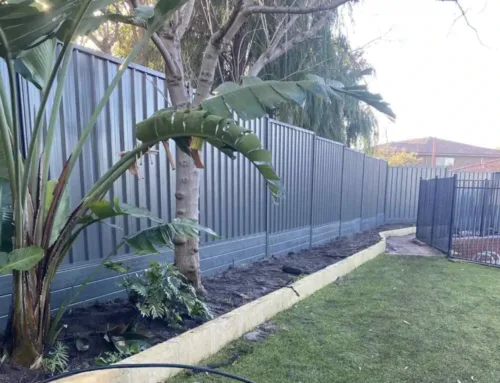
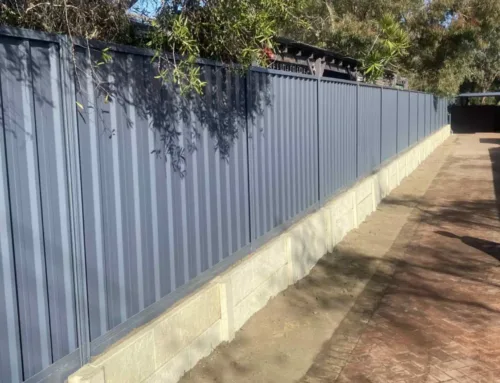
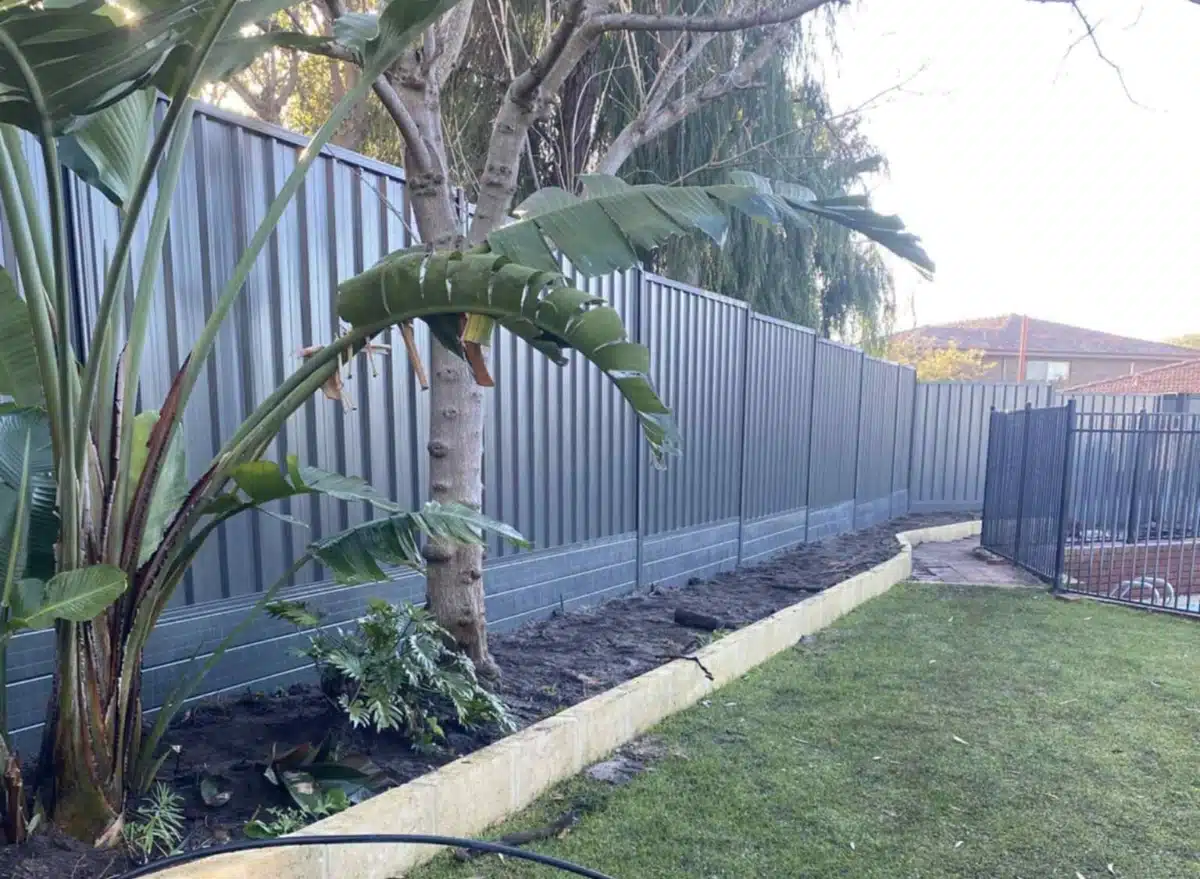
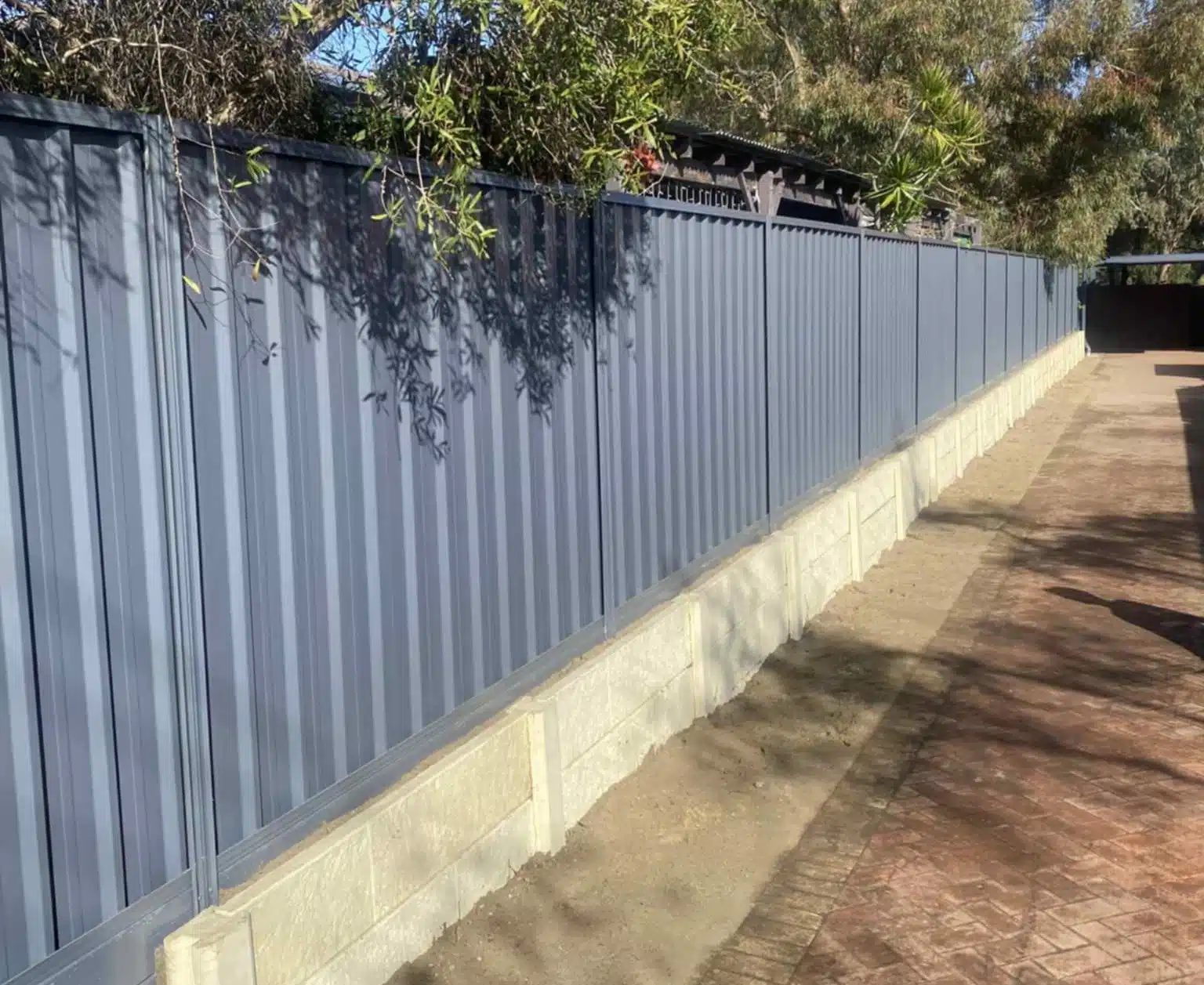
Colorbond fencing at 1.8 m gives a clean, solid face with no footholds, a broad colour palette, and very low maintenance. The smooth steel skin is weather resistant and easy to rinse. You can compare colours and profiles here: Colorbond Fencing.
Overlapping timber palings create a solid wood fence look. The style suits backyards where a natural look is the priority. Plan for re staining or repainting on a regular cycle to protect the timber and to keep the colour fresh.
Aluminium slat fencing can be tuned to deliver semi privacy. Close the gaps slightly for better screening while keeping airflow. If you want a greener face, add a freestanding trellis just inside the boundary and grow climbing plants without letting vines attach directly to the fence. That approach protects coatings and looks tidy with minimal maintenance.
Treated Pine Versus Cedar Or Hardwood
Treated pine is usually cheaper to buy and widely stocked at hardware stores. For palings, expect ten to fifteen years with correct care. Clean annually, re seal or re stain every two to three years, and keep soil off rails and paling bottoms. If you can, choose concrete or metal posts to remove the most common rot point. That one upgrade can add years to a timber fence.
Cedar and hardwood have a higher material cost and better dimensional stability. They look richer, move less with moisture, and last longer with scheduled oiling or stain. If you want a traditional look with better longevity and you do not mind maintenance, hardwood earns its place. Perth’s strong UV asks for exterior rated coatings that resist sun. You will find practical build notes in Timber Fencing.
Are Premade Panels Cheaper Than Site Built Pickets?
On level ground with standard bays, premade panels often reduce labour and deliver a consistent finish. Two installers can walk down the line with a string line, level, screws and a driver, and set a boundary quickly. Slopes, wavy boundary lines and obstacles change the picture. Site built pickets or palings let the crew fine tune each bay to the ground, avoid large gaps under the rails, and keep tops even. When you compare pricing, insist on installed price per metre including any extra posts and caps for stepped sections so you are comparing real totals, not just a panel rate.
Can I DIY To Cut Costs?
A DIY approach can work on straight runs with good access. The reputation for easy installation is fair when the soil is workable, post centres are regular, and services are clear of the fence line. Core tools include a post hole digger or auger, string line, level, drill or driver, saw, concrete mixing gear and PPE. Plan for waste removal and tip fees. Allow a buffer for small errors if a bay lands out of square. Complex corners, pool barriers, and retaining interfaces are best left to a licensed installer. A single day of expert help often costs less than a weekend of rework.
Do I Need Approval For A Backyard Fence?
Many dividing fences at 1.8 m proceed as exempt works, yet local council rules differ by frontage, corner lots, and master planned estates. Swimming pool fencing carries separate standards and inspection costs. A short call to council before ordering posts and panels will prevent mistakes, especially if you plan a tall fence or a front boundary change.
How Does Yard Slope Change The Price?
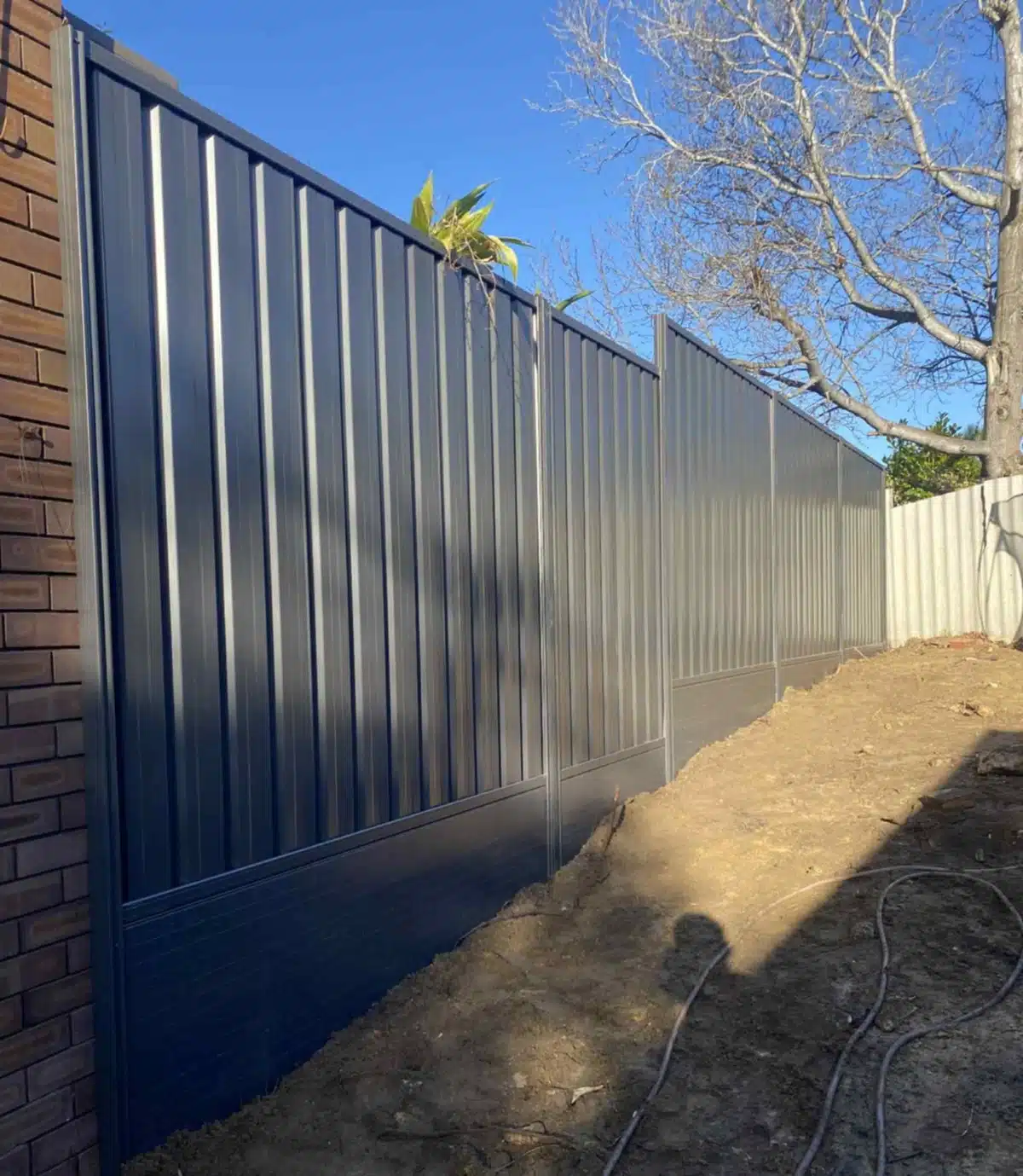
Slope changes how the team builds and prices the line. Stepped runs require more posts and caps. Raked panels need custom rails and careful set out. Where the ground falls sharply, a fence should not act like a wall. If soil pressure or a clear height difference exists between neighbouring yards, plan a small retaining solution first. The fence can then return to its proper job which is to carry wind loading and provide a tidy boundary. For wall and fence interfaces, see Retaining Wall Recommendations And Material Options.
What Does Low Maintenance Really Mean?
Colorbond fencing needs a hose down every three to six months. Add a soft brush and mild detergent where dust or salt collects. The smooth steel panels clean quickly and the coating resists Perth’s harsh weather conditions.
Aluminium fencing behaves similarly. The powder coated finish needs only occasional cleaning. There is no rust to chase and hardware holds colour well.
Chain link benefits from a periodic rinse and a quick check of ties at the bottom. Tighten the fabric if it loosens and keep climbing vines off the mesh. If you add privacy slats, push them fully home so wind does not rattle them loose.
Timber fencing offers a warm natural look but it does ask for more care. Clean once a year, re seal or re stain on schedule, and keep mulch away from rails and posts. You can reduce future work by pairing timber rails and palings with metal posts. That mix gives the garden face you like and a frame that resists rot.
For durability notes and coating benefits on steel systems, read Colorbond Fencing Benefits.
How Long Should Budget Choices Last?
In typical suburban conditions, plan for chain link to last fifteen to twenty five years, treated pine to last ten to twenty years depending on upkeep, and Colorbond to last twenty to thirty years with light washing. Salt near the coast shortens life. Daily irrigation also shortens life where water hits the fence. You can slow both with heavier posts in windy pockets, sealed cut edges on steel, and good drainage along the fence line so water does not sit at the base.
If a gate begins to sag or a bay rattles after a storm, act early. Small fixes are cheaper than straightening a whole line later. Book help through Fencing Repairs and keep the structure tight.
Can Cheap Fences Still Be Pet And Child Friendly?
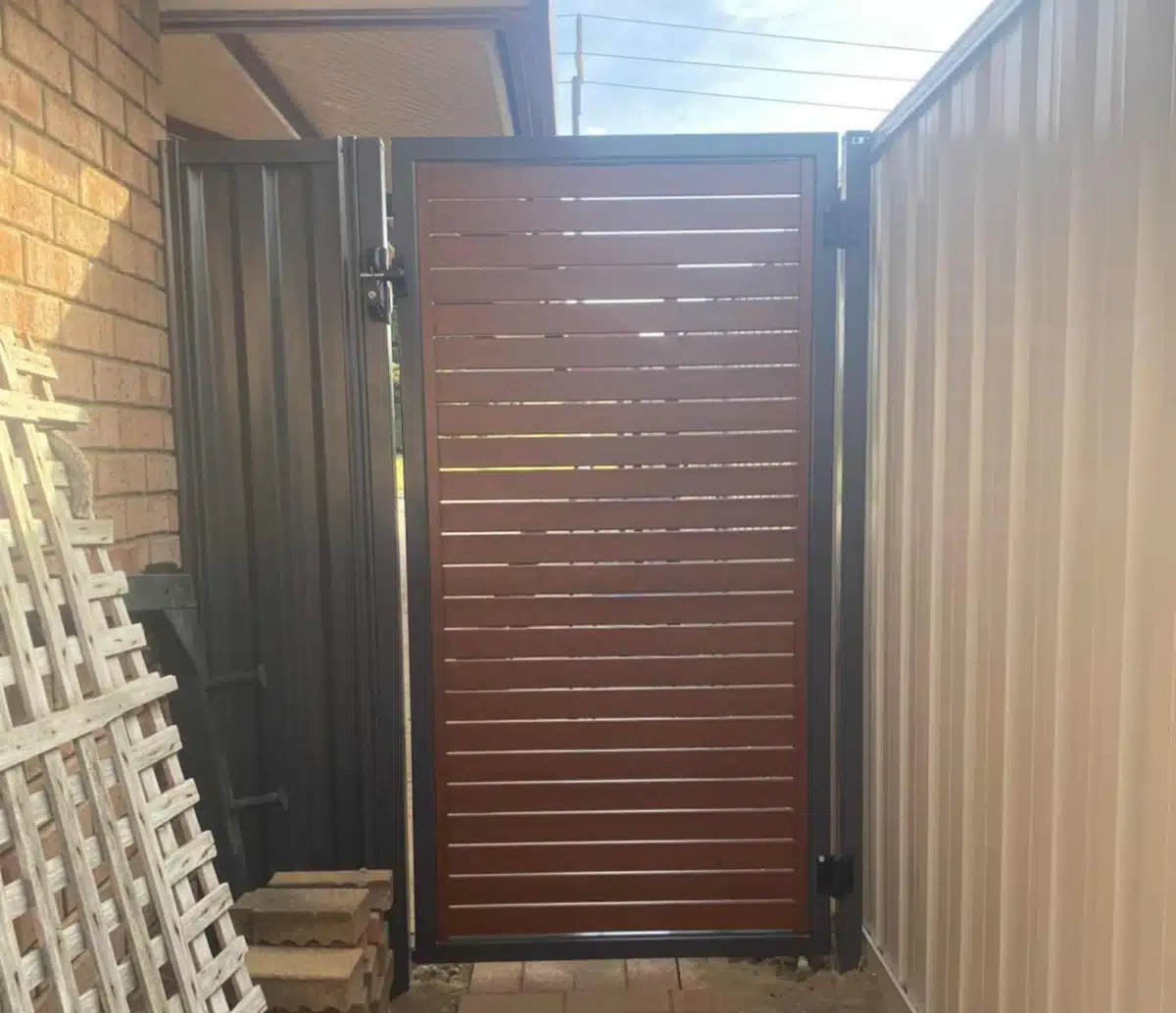
Yes. A few small additions can turn basic designs into reliable pet proof and child aware boundaries. Add a bottom rail or a short mesh return on the inside face to stop digs and squeezes. Set latch heights out of reach and choose self closing and self latching kits at side gates. On larger blocks, a smart approach is a cost effective perimeter in Colorbond or chain link with a smaller internal pet run made from wire mesh. That plan reduces total metres while giving your animals a secure area. Match frames and latch styles to the rest of the home using Residential Gates With Your New Fence for a tidy finish.
Creative Budget Ideas That Still Look Good
An affordable fence can still lift the aesthetic appeal of your outdoor space. A short trellis fence set inside the boundary gives climbing plants a home without letting them smother the main fence. Reclaimed wood can add texture on garden faces where loads are low. A few decorative elements such as painted feature posts, a contrasting gate, or a timber cap on metal fencing can change the feel for a small spend. For pool fencing, follow compliance rules first, then dress the inside face with planters or a freestanding trellis so you do not create footholds on the barrier.
How To Choose The Right Fence Without Blowing The Budget
Write a short brief before you request quotes. List the fence type you prefer such as chain link, Colorbond, aluminium, timber, PVC or composite. Add your desired aesthetic such as clean lines, natural look, or an industrial appearance. Note fence height, total metres along property lines, and the number of gates. Mark tricky zones such as trees, old concrete, raised garden beds, or a pool boundary.
Use that brief to do three things.
First, check price reality with How Much Does Fencing Cost and then run your lengths through the Fencing Quote Calculator so you understand a sensible total before you call around.
Second, choose a low maintenance option that suits your eye. If you want minimal maintenance, Colorbond and aluminium fencing repay you with occasional cleaning and a long service life. If you prefer timber, commit to the care plan on day one and consider metal posts to protect the structure.
Third, standardise your specification for every contractor. Include post size, centres, footing depth, panel type such as wire mesh or steel, fence posts material, fence height, and finishes. When everyone costs the same details, you can compare labour costs, lead time, warranty, and examples of past work without guessing which corners were cut.
Conclusion
Not all fences solve the same problem. Chain link is the most affordable choice when you need a neat boundary and safe pets with minimal upkeep. Colorbond fencing gives full privacy with low maintenance, straight lines and colours that lift curb appeal. Treated pine is a classic path to a privacy fence on a tight budget if you are happy to trade a little work for savings. Aluminium fencing performs quietly well for pool perimeters and front boundaries when you want compliant gaps and a clean finish. PVC fencing and composite materials reduce coating cycles in exchange for a higher day one price.
Choose the ideal fencing solution by purpose, set the fence height that achieves it, and keep the design simple so you can spend on good posts, concrete and fixings. The result is a cost effective backyard fence that handles harsh weather conditions, looks like it belongs, and asks for little more than a hose down now and then. When you are ready to move, check the price bands, run your metres through the calculator, and gather like for like quotes. You will save money, lock in a low maintenance option, and enjoy an outdoor space that feels finished every time you step into the sun.