admin
If you are unsure whether your pool fence meets pool fencing regulations in Western Australia, start with a quick compliance check now. It is the simplest way to keep your pool area safe, protect young children, and avoid substantial fines.
Call Foster Fencing to arrange a pool barrier inspection and a free quote. We assess your safety barrier, pool gates, gaps, heights, and the non climbable zone, then explain what needs fixing to achieve pool barrier compliance.
Why Pool Fencing Laws Exist
Pool laws exist to prevent accidental drownings in private swimming pools and spa pools. The biggest risk factor is unsupervised access, which is why a compliant safety barrier is required even when the swimming pool is not in use.
A safety barrier is a backup measure. You still need to supervise children around water, every time, in every season.
When A Pool Fence Is Required In WA
In WA, a pool fence required rule applies to private swimming pools, swimming pool and spa installations, and many portable pools. If your swimming pool or spa holds more than 300mm of water, it needs a compliant barrier installed to restrict access by young children.
This includes:
- Above ground pool setups and many inflatable and portable pools
- Spa pools installed outdoors, including both jacuzzis and outdoor hot tubs
- Bathing or wading pools that exceed the depth threshold
Spa baths that are emptied after each use are treated differently, but most fixed spa pools need spa pool barriers.
Who Regulates Pool Fencing In Western Australia
Pool barrier requirements sit under WA’s building regulations, including the Building Act 2011 and the Building Regulations 2012. Your local government or local council manages approvals, inspections, and ongoing monitoring compliance.
That means property owners are responsible for keeping the barrier compliant long after the pool builder finishes the job.
Minimum Technical Requirements You Must Meet
A compliant barrier is not about “good enough”. It has minimum technical requirements that are measured during an initial inspection and later periodic inspections.
Key requirements include:
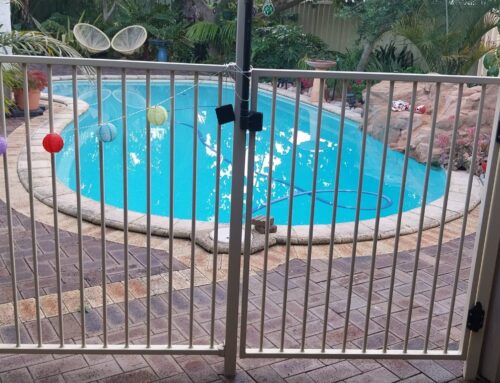
- Barrier Height: The fence must be at least 1200mm high, measured from the outside ground level.
- Bottom Gap: The maximum gap between the finished ground and the bottom of the fence is 100mm.
- Vertical Gaps: Gaps between vertical bars or panels must be less than 100mm.
- Non Climbable Zones: Maintain a 900mm non climbable zone around the outside of the fence, free of climbable objects.
- CPR Sign: A compliant CPR or resuscitation sign must be displayed in the pool area, readable from around 3 metres.
If any one measurement fails, your pool barrier can be deemed non-compliant.
Pool Gates Must Be Self Closing And Self Latching
Most failures happen at the gate. Your pool gates must:
- Open outward, away from the spa area or pool
- Be self closing from any open position
- Be self latching without needing a push or “extra force”
- Latch consistently, every time
Regular maintenance matters. Hinges, latches, and closers wear over time, so check that the gate shuts and latches smoothly after every use.
Can A Boundary Fence Be Used As A Pool Barrier
A boundary fence can sometimes form part of a protective barrier, but extra rules apply. In many cases, a boundary fence used as a barrier needs to be higher (often 1.8m) and still must meet climbability rules on the pool side.
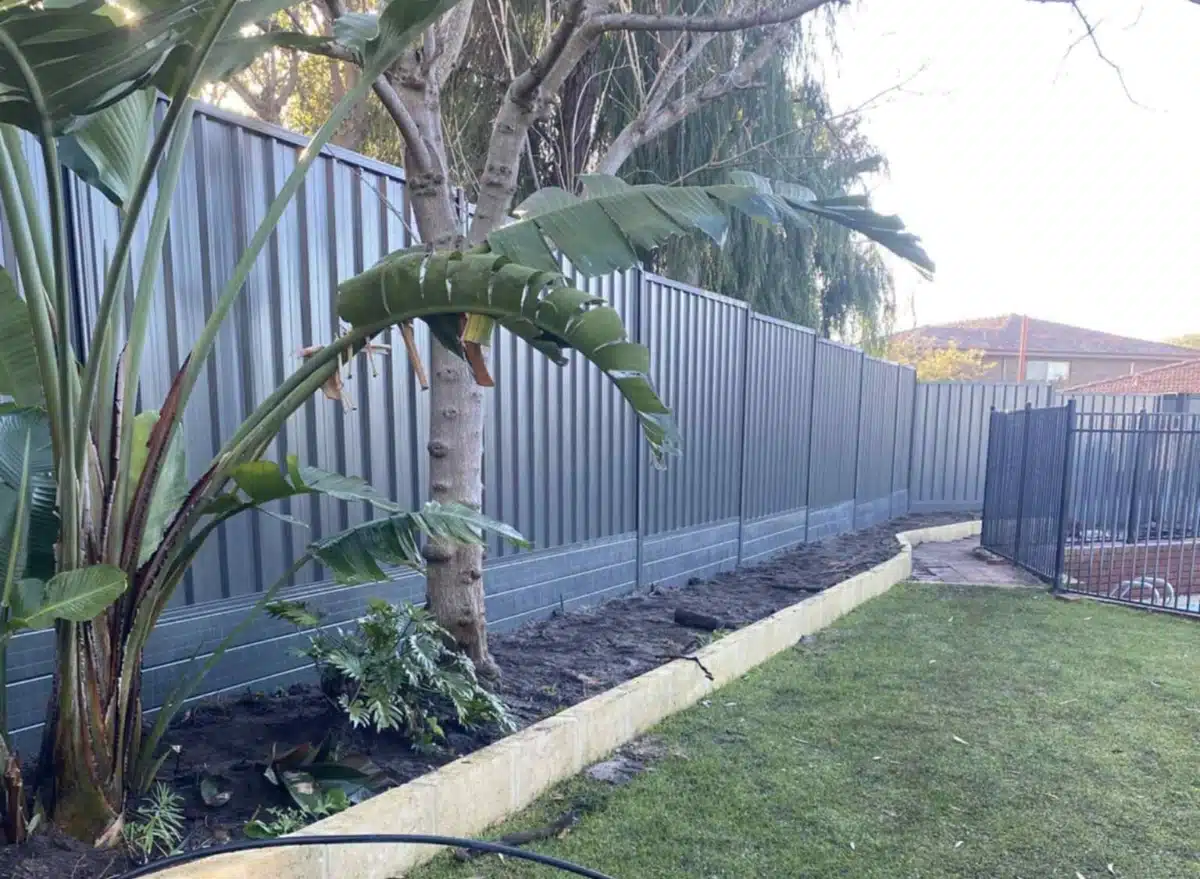
The practical risk is what happens on either side of the fence. Items like pot plants, timber storage, or BBQs can become climbable objects, which can compromise compliance even if the fence itself is tall enough.
Climbable Objects And Vegetation Rules
The easiest compliance wins are usually around the pool area. Children will use anything to climb, including:
- Outdoor chairs and benches
- Planter boxes and retaining edges
- Pool pumps, filters, and storage boxes
- Trees, shrubs, and screening plants
Keep vegetation trimmed and remove objects from the non climbable zone. If you want shade or screening, position it so it does not create footholds near the pool fence.
Building Permit And Inspection Timeline
If you plan to install pool fencing, replace a barrier, or alter a gate, you will usually need a building permit from the permit authority through your local government.
Inspections commonly include:
- Initial inspection after a new pool or barrier is completed
- Ongoing periodic inspections, with the maximum period between inspections typically four years
Keep any compliance paperwork from your installer, because inspectors may request proof that the barrier meets the relevant australian standards.
Which Australian Standards Apply In WA
Standards depend on when the pool was approved or installed:
- Pools built after 1 May 2016 are generally expected to comply with the building code and AS 1926.1-2012 for safety barriers.
- Pools installed before 1 May 2016 may comply with AS 1926.1-1993 in certain situations.
- Pools installed before 5 November 2001 can have different rules around using doors as part of a safety barrier, but this is not usually suitable for most outdoor pool setups.
If your pool is older, do not guess. A professional assessment is the fastest way to confirm what applies to your site.
Maintenance That Keeps Your Barrier Operating Effectively
Compliance is not “set and forget”. Pool owners need to keep the barrier operating effectively year-round.
A simple maintenance routine:
- Test the gate daily for self closing and self latching
- Tighten or replace worn hinges and latches before they fail
- Check fence footings and posts for movement after storms or ground changes
- Remove trip hazards and keep ground levels stable along the barrier line
- Confirm signage remains visible and legible
If you have glass pool fencing, add these checks:
- Inspect every panel for chips, cracks, and movement
- Confirm spigots and brackets are tight
- Clean regularly for visibility, especially around fingerprints and waterline grime
Choosing Fencing Materials That Support Compliance
The best material is the one that remains compliant with minimal fuss.
Common compliant options include aluminium tubular, steel, and glass pool fencing. Glass is popular because it supports supervision with uninterrupted sightlines, and the smooth panels reduce footholds that encourage climbing. With toughened glass and quality hardware, it also handles weather changes well and keeps the pool zone visually open.
Whatever material you choose, the installation details matter most: post alignment, gate hardware, latch height, and gap control.
What We See Most Often In Perth Homes
Across Perth, we are usually called out for the same issues:
- Gates that do not self-close from part-open positions
- Ground erosion that creates a gap larger than 100mm
- Loose panels or posts after storms or landscaping works
- Furniture or pot plants placed within the non climbable zone
- Missing or faded CPR signage
These are normally quick fixes, but they have a big impact on safety and compliance.
Frequently Asked Questions
What Is The Legal Height For Pool Fencing In WA
A pool safety barrier is generally required to be at least 1200mm high, measured from the outside ground level. The exact application can vary by site and barrier design, so have it measured during an inspection.
Do Inflatable Or Temporary Pools Need A Fence In WA
Many inflatable and portable pools are treated as portable pools that still require a compliant barrier if they hold more than 300mm of water. If it qualifies as a pool under WA rules, it needs a barrier.
How Often Do Pool Barriers Get Inspected
Local governments run inspection programs, and the maximum period between periodic inspections is typically four years. You should also do your own checks far more often, especially in summer.
Can I Be Fined For A Non Compliant Barrier
Yes. A non-compliant barrier increases the risk of accidental drownings and can lead to substantial fines. Fixing issues early is usually simpler and cheaper than waiting for a failed inspection.
What Is The Fastest Way To Check Compliance
Walk the full perimeter and test your gate first. Confirm height, check gaps under the fence, remove climbable objects, and ensure the CPR sign is in place. Then book a professional inspection to confirm full pool barrier compliance.
Conclusion And Next Steps
Understanding pool fencing laws in WA comes down to three priorities: a compliant barrier, a gate that is always self closing and self latching, and a pool zone kept clear of climb risks. Do those well and you reduce risk, stay compliant, and keep your family safe.
If you want certainty, contact Foster Fencing today to book a pool fence installation and get a free quote. We will assess your barrier against the current requirements, explain what needs to change, and help you secure your swimming pool or spa properly.