admin
Getting a straight answer on fencing costs in 2025 can feel confusing because prices vary with material, height, site conditions, and installer availability. This complete guide breaks the job into clear components, shows realistic per-metre ranges for Perth and WA, and explains how labour, site preparation, and add-ons like gates or pool-code hardware affect the final fence installation cost. If you are weighing timber fencing, Colorbond fencing, aluminium fencing, vinyl or PVC fencing, wrought iron fencing, or glass fencing, you will find typical ranges below, plus the factors that push quotes higher or lower.
What factors influence fence installation costs in 2025?
Material, height, total metres, footing design and site access are the biggest price drivers. Gates, slopes, retaining interfaces, and removals add to the total. Builder variables such as crew size, warranty terms, lead times, and regional labour costs rates also influence what you pay.
Think of your fencing project as three layers.
- Base drivers: fencing materials, fence height, total linear metre run, post size and centres, footing size and depth, access for crew and concrete, soil type, underground services, and whether an existing fence needs removal.
- Adders: gates and hardware, stepped or raked panels on slopes, interfaces with retaining walls, disposal fees, and hard-stand drilling or anchoring.
- Builder variables: crew size and supervision, installation techniques, warranty terms, lead times, and regional labour rates.
If you want a quick budgeting pass before formal quotes, start here: How Much Does Fencing Cost.
How do materials affect price?
Timber usually starts cheaper per metre but needs regular maintenance, Colorbond and aluminium sit mid to upper-mid with low upkeep, and composite or custom slat systems trend higher because of framing and finish.
- Timber fence (treated pine paling fence or hardwood paling fence). Classic for front picket fencing and rear privacy. Pine is budget friendly. Hardwood timber looks premium and feels solid. Both need stain or paint on a schedule, so lifetime spend approaches metal systems if you want a neat finish year round.
- Colorbond fence (steel fencing). Private, tidy, and fast to install. Colorbond fencing typically costs in the middle ranges and is low maintenance with a simple washdown routine.
- Aluminium fencing (slats or tubular). Corrosion resistant and ideal for coastal suburbs and pool fencing. Privacy depends on slat spacing and infill choices.
- Vinyl or PVC fencing. Clean look and low care. Colours and profiles are more limited in Australia and shipping can influence lead times.
- Composite boards. Stable, colourfast privacy panels with a premium look. Requires correct spans, framing and fixings to avoid flex or rattle.
- Wrought iron fencing and decorative steel. High security and heritage appeal with vertical pickets and custom fabrication. Labour and finishing are higher.
- Glass fencing (frameless or semi-frameless). Premium for glass pool fencing and balcony balustrades. Precise set-out and quality hardware are essential, such as spigots, channels, or glass panels secured with clamps.
For a deeper look at wood species, profiles and maintenance, see Timber Fencing Types And Options.
What is the average cost per linear foot for common fence types?
The ranges below are typical for WA supply and install at 1.8 metres in 2025, including the cost per metre . Prices are shown per metre, with a quick conversion to feet for reference. One metre is approximately 3.28 feet.
- Colorbond fencing: $75 to $120 per m (about $23 to $37 per ft). Private, low maintenance, wide colour range. See styles under Colorbond Fencing.
- Timber paling (standard timber fencing): $120 to $200 per m (about $37 to $61 per ft). Warm look. Allow for stain or paint cycles.
- Aluminium slat privacy: $180 to $300 per m (about $55 to $91 per ft). Modern façade match with adjustable gaps.
- Chain link or chain wire: $90 to $160 per m (about $27 to $49 per ft). Durable and economical where privacy is not required.
- Pool aluminium tubular (pool fences): $150 to $240 per m (about $46 to $73 per ft). Compliant heights and gaps.
- Frameless glass for pool or front features: $450 to $900+ per m (about $137 to $274+ per ft). Premium look with higher hardware and precision.
Exact pricing varies with brand, gauge, colour, post section, footing depth, access, and whether core drilling or hand digging is needed.
Does fence height significantly change cost?
Yes. Taller fences need larger posts, deeper footings and sometimes closer centres, which lifts both materials and labour. Moving from 1.5 metres to 1.8 metres commonly adds about 10 to 20 percent. At 2.1 metres for privacy screens you often need heavier posts, caps and sometimes an extra rail. Finalise your colour palette early, especially if you want premium finishes in line with colorbond fencing costs . Browse Colorbond Fencing Colours to see what suits your façade.
How much of the total is labour versus materials?
On straight suburban runs, labour is often 45 to 60 percent of the total. On complex sites with stepping, demolition, slab coring or hand digging, labour share can exceed 65 percent. Prefinished systems such as Colorbond and aluminium shift more value to the material line and reduce finishing time compared with timber, which needs cutting now and painting or oil later. Smooth access and a tidy boundary reduce labour hours and keep the install on schedule.
You can review system options here: Services.
Do regional labour rates make a big difference?
Yes. Metro crews can move faster with gear access, while regional or remote jobs add travel and day rates. Busy seasons increase labour margins as diaries fill. When you request a quote, ask for a line item showing labour hours and crew size so you can compare different contractors on the same basis. After storms or in summer, demand for Fencing Repairs can push out schedules for new builds, so plan ahead if timing is tight.
How much extra should I budget for gates?
Allow $250 to $650 for a single pedestrian gate with hardware. Double driveway gate frames and posts usually land between $900 and $2,500+ depending on span, infill and hardware. Add for auto latches, locks and soft-close kits if needed. Plan clear opening width, hinge side and ground fall early so posts and latches line up perfectly for your new fence . Browse matched designs under Residential Gates With Your New Fence.
Are 2025 prices higher than last year?
Most owners should expect modest increases driven by coatings, wages and global steel or aluminium inputs. Quotes can move month to month when mills change prices. Reduce risk by locking pricing and delivery windows in your written quote. If you can be flexible, ask whether ordering now secures today’s rate even if your install date is later. For a fast budget check before site measures, try the Fencing Quote Calculator.
How do terrain and yard access impact cost?
Steep or narrow access adds hand digging and barrowing. Sloped boundaries require stepping or raked panels and more posts. Level changes near the boundary may need retaining before fencing so the fence is not absorbing soil pressure. Every tree, shed, spa or pool shell along a boundary slows production and increases labour hours. If a wall is likely, plan the interface here: Retaining Wall Recommendations And Material Options.
What is included in a typical fence quote versus billed separately?
Usually included: posts, rails and panels, caps, standard concrete footings, and standard clean-up.
Often separate: removals, dump fees, rock excavation, extra-deep footings, non-standard hardware or colours, and coring into existing slabs.
Ask every bidder to list inclusions, exclusions and site assumptions in the scope. This keeps comparisons fair and reduces variation disputes. For a feel of workmanship quality, check cap alignment, screw lines and gate gaps in the Gallery.
Do permits and HOA approvals add to the cost?
Yes. Application fees, drawings and re-inspection charges can apply. Corner lots, heritage overlays and pool barriers often trigger extra checks. Build admin time into your budget and timeline. Even when a permit is not required for a dividing fence, pool-barrier compliance still applies. Installers can guide, but owners remain responsible unless the contract states otherwise.
Is removal and disposal of an old fence included?
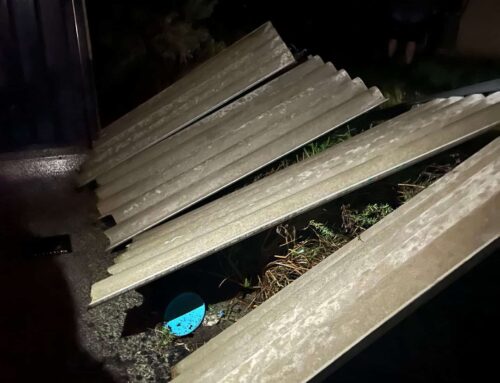
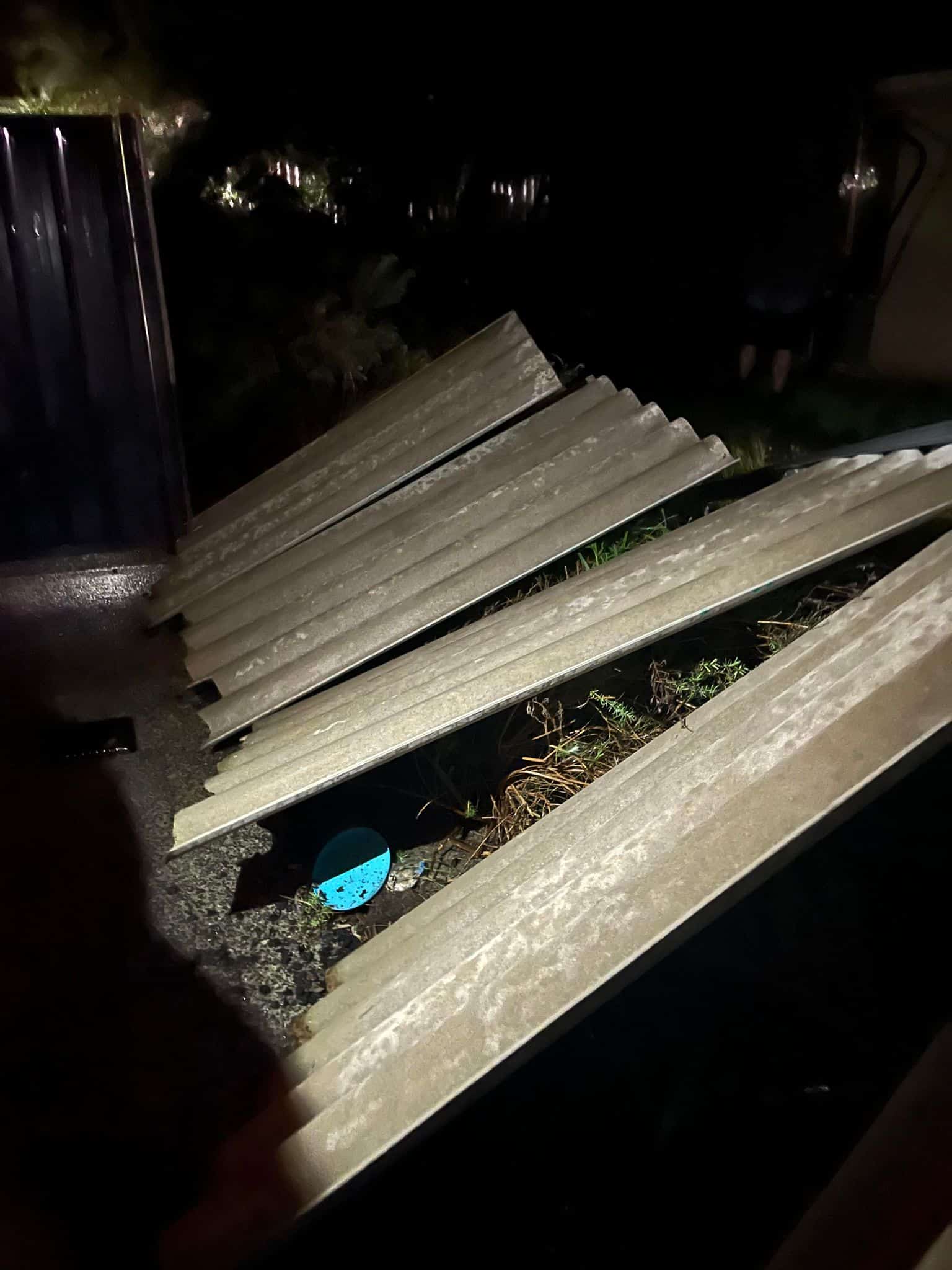
Often it is billed separately. Removals are commonly priced per metre. Hazardous materials such as asbestos cement sheets require licensed handling and disposal with tip dockets. If you suspect legacy materials in an old fence, schedule Asbestos Fence Removal before you finalise colours or book installers.
Are pool-code or privacy upgrades more expensive?
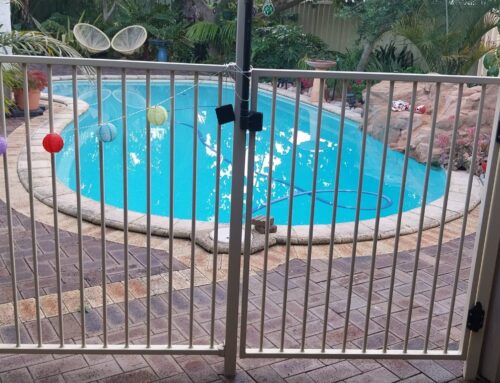
Yes. Pool-compliant panels and hardware, self-closing latches and compliant gaps increase cost. Privacy upgrades such as taller screens, denser slat spacing and custom colours lift both materials and labour. Factor compliance checks into your timeline, especially if considering semi frameless glass fencing . If your fence forms part of the barrier, choose systems that meet regulations from the start. See Pool Fencing for layouts and options.
How long does installation take and does timeline affect price?
A typical 20 to 40 metre suburban run takes one to three days once materials are on site. Rush jobs and out-of-hours work attract premiums, and wet weather can extend schedules. Lead time is separate from on-site duration. Winter rain slows digging and curing. Extreme heat can shorten working hours for crew safety. A good quote names a target week, a delivery window and wet-weather contingencies.
Is DIY cheaper in 2025 or do tool rentals and errors erase savings?
DIY can save labour on straight, accessible runs, but tool hire, waste handling and rework often close the gap. Complex sites, pool interfaces, steep slopes and corner visibility rules are best left to fence contractors who can certify compliance and stand behind a written warranty. If you want a modern privacy look you can stage, compare supply-only and installed options for Aluminium Slat Fencing.
Worked examples to sense-check your budget
Use these scenarios to translate per-metre figures into totals. Add gates, removals and any site allowances after you pick your system.
Small side return of 10 metres in Colorbond at 1.8 metres
Materials and labour: $750 to $1,200
One pedestrian gate: add $250 to $650
Removal of 10 metres of timber: add $200 to $450
Indicative total: $1,200 to $2,300
Back boundary of 25 metres in treated pine paling at 1.8 metres
Materials and labour: $3,000 to $5,000
Stain after cure, optional: add $400 to $800
Two rail fence with capping upgrade: add $300 to $600
Indicative total: $3,700 to $6,400
Street-facing feature of 8 metres in aluminium slats at 1.8 metres with a driveway gate
Slats at $180 to $300 per metre: $1,440 to $2,400
Double driveway gate frame and posts: $900 to $2,500+
Powder-coat colour match: add $150 to $350
Indicative total: $2,490 to $5,250+
Pool barrier of 18 metres in semi-frameless glass
Panels, posts and hardware at $300 to $600 per metre: $5,400 to $10,800
Self-closing, self-latching gate kit: add $350 to $750 each
Certifier re-inspection, if required: add $150 to $300
Indicative total: $6,000 to $12,600+
Your numbers will shift with soil, access, anchors into concrete and whether a fence extension or partial fence removal is involved.
How to brief fencing contractors so quotes are comparable
Send one page to every bidder listing the same specification. Include total metres, height, material and profile, colour, number and width of gates, post size, centres and footing depth, any removals, obstacles, access constraints, and whether you need retaining. Ask for line-item pricing that separates materials, labour and allowances for rock or machinery. Request documentation of installation warranty and material warranty periods. With a standard brief, you can judge fencing prices on value rather than headline numbers and choose the best fencing contractor for your job.
Material snapshots for quick choices
Use this quick matrix to match style, upkeep and cost.
- Colorbond (steel fence). Private, fast install, broad colour range. Mid pricing with minimal maintenance.
- Aluminium slats or tubular. Coastal safe with modern lines. Mid to upper. Excellent for pool surrounds.
- Timber (pine paling fence or hardwood paling fence). Natural look and flexible design. Cheaper upfront. Requires regular maintenance to stay neat.
- Vinyl or PVC. Low maintenance and clean edges. Limited local supply and profiles. Mid range.
- Composite. Stable, colourfast privacy. Premium. Needs correct framing.
- Wrought iron or decorative steel. Security and classic street presence. Premium custom work. Pairs well with rendered brick piers.
- Glass (frameless or semi-frameless). Highest precision and hardware cost. Ideal for pool edges and feature fronts.
Conclusion
Average fencing costs in 2025 depend on material, height, total length, footing design and the complexity of your site. Colorbond and aluminium continue to offer strong value for privacy and low maintenance. Timber is attractive upfront but needs coatings over time. Composite and glass deliver premium looks at premium prices. The most reliable way to control cost, including vinyl fencing, is to set a clear specification, request two or three like-for-like quotes, and lock timing and inclusions in a written contract.
Start by defining the purpose of the fence. Decide whether privacy, pool compliance, security or street appeal matters most. Choose a material that suits your climate and the level of maintenance you are comfortable with. Standardise height, colour, post size, footing depth and gate widths so every contractor prices the same scope. Ask for a line-item split for labour and materials, plus allowances for removals, rock and access. Confirm local fencing contractors’ warranties, disposal and wet-weather plans before you pay a deposit.
When you brief clearly and compare consistently, you get an accurate price, a smooth installation and a fence that stays straight and looks good for years.